
Blumenthal v. Mullin
Summary
What this Case is About
A journalist’s phones were seized at the border. We went to court to get them back.
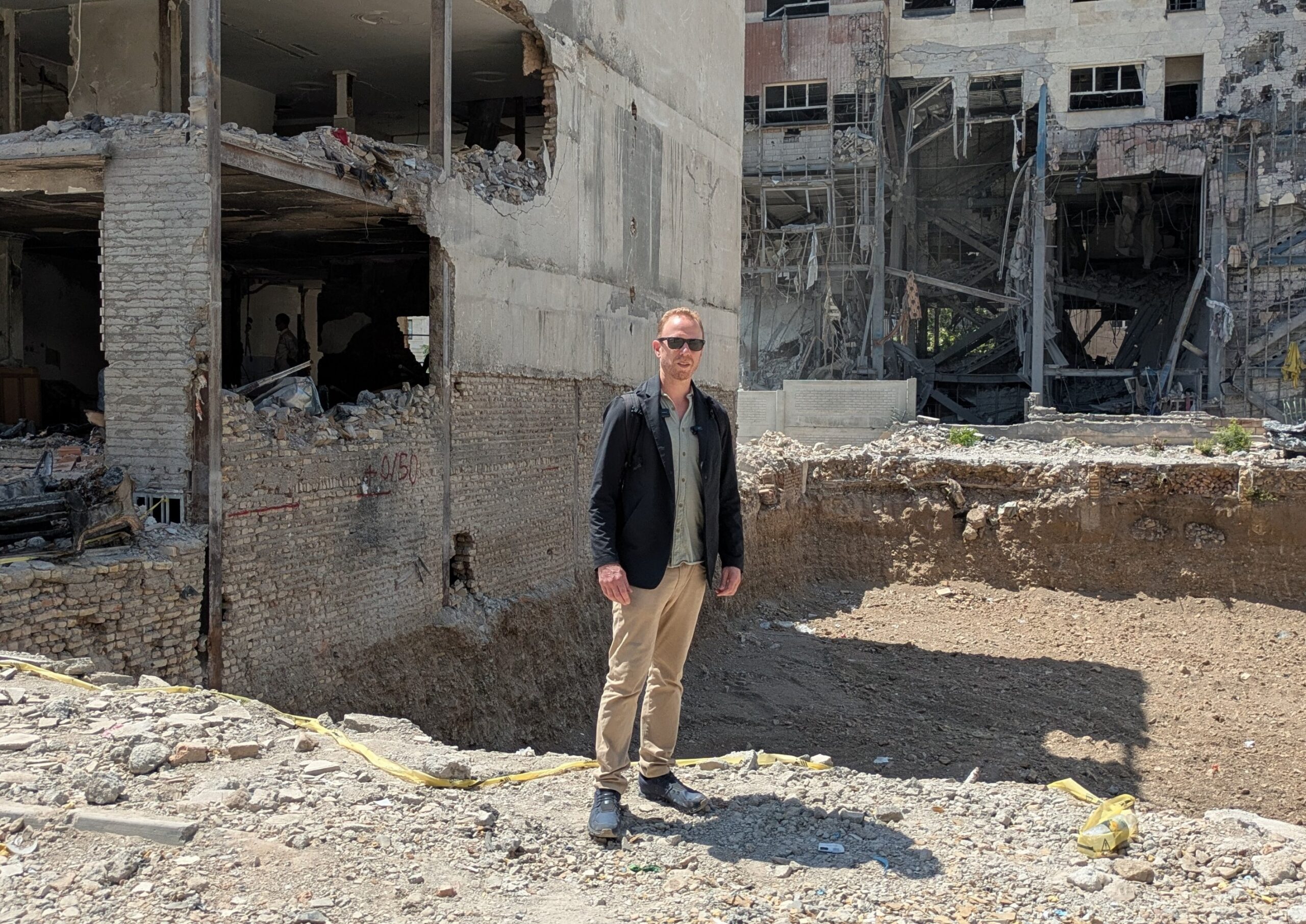
On July 10, 2026, U.S. Customs and Border Protection detained journalist Max Blumenthal for approximately two and a half hours at the border upon his return from a reporting trip to Iran, questioning him about his journalism, his funding, and his travel plans. When Blumenthal declined to provide the passcodes to his two smartphones—devices containing confidential sources and years of protected newsgathering—officers seized both phones, telling him they would be “hook[ed] up to machines” to extract their data. The seizure came days after political activist Laura Loomer publicly urged the administration to arrest Blumenthal; CBP’s questioning closely mirrored her demands, and Blumenthal was treated differently from other American journalists on the same trip.
ADC filed a time-sensitive motion in the U.S. District Court for the Eastern District of Virginia seeking the return of Blumenthal’s phones and any data taken from them. The government returned the phones after ADC filed, and at a July 29, 2026 hearing, Judge Leonie M. Brinkema raised Fourth Amendment concerns about the seizure and attempted forensic search, declined to dismiss the case as moot, and ordered limited discovery into what officials did with the devices. On August 17, ADC filed a federal lawsuit against DHS Secretary Markwayne Mullin and CBP leadership, alleging that the seizure violated Blumenthal’s First Amendment rights through viewpoint discrimination and retaliation, as well as his Fourth Amendment rights. In September, ADC also filed a brief on his behalf urging the U.S. Supreme Court to take up Anibowei v. Blanche and set a national standard for searches of travelers’ phones, which today depend on where an American enters the country.
Case Files
Documents, press & coverage
Court documents
Court filings, most recent first.
Press Releases
ADC statements on the case, most recent first.
Media coverage
Selected coverage from outside outlets.
Your gift sustains the studies, the case files, and the classroom resources that keep this work credible.